Wednesday, July 27, 2005


Flashman On the March by George McDonald Fraser

"When all other trusts fail, turn to Flashman"- Abraham Lincoln

"For an instant, even I was appalled. But only for an instant." - H.P. Flashman

When Sir Harry Flashman (VC, KCB) finds himself in desperate need of a quiet and quick exit out of Trieste ("ain't much of town unless your in trade or banking or some other shady pursuit...") to duck the enraged uncle of yet another amorous conquest, he ends up escorting a load of silver intended to support the British Expedition to Abyssinia in 1868. And with that, the twelfth packet of the Flashman Papers begins...

Flashman On the March is the latest Flashman novel penned by George MacDonald Fraser. Fraser lifted Flashman wholesale out the famous Victorian book Tom Brown's Schooldays by Thomas Hughes. In Hughes book, Flashman was the bullying, cowardly tormentor of Brown and his friends at the Rugby School, before being expelled for drunkeness.

Fraser has asked the timeless question: what happens next? And so began the Flashman Papers, Harry Flashman's unvarnished memoirs, set down in Flashman's old age. The long-running series of historical fiction (the first of which appeared in 1968) traces Flashman's illustrious career in the British Army, dropping him into most of the major historical events and almost all of the unmitgated military disasters of the era.

Flashman, though bluff and bold-faced in appearance, is a caddish, bullying, womanizing coward who manages, through luck, knavish skill and consummate acting, to find himself hailed as a Victorian hero in the first book. The remaining books follow a similar formula with Flashy trying desperately to get out from under while maintaining his dauntless facade and reputation, lecherously pursuing every available female in reach and pocketing any "blunt" and credit he finds along the way. His adventures include escaping the destruction of the British Army in Afghanistan in 1842 (where he accidentally develops his heroic reputation), skulking through the Sikh War and Soboran, bedding Lola Montez during the Schleswig-Holstein crisis, battling Skrang River pirates in Borneo, keeping the mad Queen of Madagascar happy, and instigating the Charge of the Light Brigade during the Crimean War. Other honors include the Indian Mutiny, the Taiping Rebellion, the March on Beijing, Little Big Horn and the American Civil War (serving on both sides, no less). And that really just covers the major engagements....

In Flashman On the March, Flashman finds himself reluctantly hooked into the British Expedition to Abysinnia. The Abysinnia Expedition was one of those stranger-than-fiction events that lurk in the back annals of history. Launched expressly for the purpose of rescuing a handful of British hostages being held by Emperor Theodore, the Abysinnia Expedition saw 12,000 British troops travel deep into the interior of Abysinnia to face down Theodore's army.

Flashy finds himself cajoled by Robert Napier ("Bob the Bughunter" as Flashman terms him) into journeying into the interior to cement a secret alliance with the Gallas, preventing Theodore and the hostages from escaping the British by cutting off their retreat. Needless to say, Flashy finds himself on the sharp end yet again, ducking out on his enemies, cavorting with his female guide (also a jealous contender for the Galla throne), hobnobbing with the insane Emperor Theodore, and generally behaving with a reckless disregard for honor, duty or anything but the preservation of his own skin and reputation.

Flashman is very refreshing...and utterly politically incorrect. Fraser has gifted him with an unmitigated honesty that tars all the players involved with equal amounts of scorn, blame and praise (where necessary). Flashman provides Fraser with a worthy pawn for history's canvas and allows him to weave Flashman's disreputable adventures seamlessly with real historical figures (thus we've seen Flashman annoying Lord Cardigan, trying (and failing) to befuddle Lincoln, hoaxing Bismark into a boxing match...and many, many more escapades) helping to bring both the historic characters and their times into new light.

Here's a brief excerpt:

"You gather from this that I was in a tranquil, optimistic mood as I set off on my Abyssinian odyssey, ass that I was. You'd ha' thought, after all I'd seen and suffered in my time, that I'd have remembered all the occasions when I'd set off carefree and unsuspecting along some seemingly primrose path only to go head first into the pit of damnation at t'other end. But you never can tell.

I couldn't foresee as I stood content in the bow, watching green fire foaming up from the forefoot, feeling the soft Adriatic breeze on my face, hearing the oaths and laughter of the Jollies and the strangled wailing of some frenzied tenor in the crew - I couldn't foresee the screaming charge of long-haired warriors swinging their hideous sickle-blades against the Sikh bayonets, or the huge mound of rotting corpses under the precipice at Islamgee, or the ghastly forest of crucifixes at Gondar, or feel the agonizing bite of steel bars against my body as I swung caged in the freezing gale above a yawning void...

Aye, it's an interesting country Abyssinia"


The Flashman novels are more then just an adventurous farce however. Fraser's descriptions of Flashman's many battles quite literally take the reader into the heart of the fight, presenting, alongside the humor and comic aspects of Flashman's adventures, a deep and abiding feel for the horror, chaos and confusion that permeates the martial engagements. Given that Fraser fought in Burma in WWII (see "Quartered Safe Out Here", his war memoirs for details) in an environment that had far more in common with 19th century warfare then with the 20th, it is not surprising that he can bring both a historian's acumen and personal experience to bear on events.

Fraser's latest Flashman book (and frankly all the books in the series) is a throughly enjoyable romp and highly recommended.

For some information on Abyssinia, check out the Abyssinia Cyber Gateway. Intersted ina quick primer on Abyssinnia? Check out the ever dependable Wikipedia.

One of the many figures who pops up in Flashman's latest is George A, Henty, a British author who basically started the "boy's own" series of adventure novels in the 19th century. Henty also wrote about the Abyssinia Expedition (and accompanied it)in The March to Magdala. You can peruse some of his works online here, but alas, not his book on Abyssinia.

There's a fair number of Flashman sites online including The Royal Flashman Society of Upper Canada, The Flashman Society, and the Royal Flashman Society of Southwest Virginia, which includes the Flashman Macropedia site which is bursting with Flashman background and trivia.

Lastly, here's a peek at Tisisat Falls, which plays a key role in Flashy's latest tome and provides yet another opportunity for Flashman to give readers keen insight into the deplorable depths of his character...no I'm not going to explain it, but it is, bluntly, classic Flashman.

Please remember to support BookLinker by clicking on some ads and making your Amazon purchases through our site! Comments and links are always welcome.

Monday, June 27, 2005


102 Minutes : The Untold Story of the Fight to Survive Inside the Twin Towers by Jim Dwyer & Kevin Flynn

It is shocking to look back and absorb that it only took 102 minutes. Almost 4 years later, we are still dealing with the fallout.

102 Minutes serves up a well-written, absorbing and highly detailed, moment-by-moment account of the 102 minutes from the impact of Flight 11 until the collapse of the second tower. Dwyer and Flynn, two reporters for the New York Times, have drawn on interviews, first-hand accounts, radio and 9-11 phone transcripts, cell phone and email messages, and official reports, to put together a staggeringly detailed and vividly realized account that weaves together lives, observations, stories and testimony into an absorbing and comprehensive whole.

102 Minutes is a very difficult book to pick up and even harder to put down. The book traces the events of the day, the paths of the survivors, the observations, structural forensic engineering studies, and the many heart-breaking communiques of the trapped. 102 Minutes is THE account to read.

Of particular note is the authors work at examining the base causes that often determined who lived and who died - both from the engineering side, examining the construction of the towers - and the short-sighted, preventable mistakes that ultimately contributed to high losses of rescue personnel in the disaster (of particular note - the lack of coordination between the various police and fire units, the inability of the older radio sets being used to enable communication with firefighters in the towers, the lack of communication between structural engineers who were observing the disaster and predicting a potential collapse - the list goes on...).

The book is strictly limited to the events at the WTC - not covering the attack on the Pentagon or the events on Flight 93 but in covering the WTC the way they have, the authors have put together an account that is hard, but brilliant.

102 Minutes is hard to top, both for the strength of its well-written prose, or for the careful detailed investigation that it reflects.

For more reading on 9/11 I also recommend Dennis Smith's superlative Report from Ground Zero: The Story of the Rescue Efforts at the World Trade Center.

Dennis Smith is a retired New York City firefighter turned author (Report from Engine Co. 92 is probably his most notable work). Smith has written a deeply personal and intensely moving account of the events of the day and the grim aftermath of three months working on The Pile, sifting the wreckage for the fallen and the lost. Smith's story is a chronicle of that loss, pulling out the first-hand accounts of firefighters, police and emergency workers and looking at the emotional aftermath and impact on the NYFD.

Also of note is, naturally enough, The 9/11 Commission Report...

For a good account of the engineering background on the collapse, check out this civil engineering site and for some background on the WTC, check out Great Buildings Online.

Visit the somewhat controversial plans for the WTC Memorial here, or view the site itself through EarthCams.

For still more info, drop by the September 11th Digital Archive. You might also want to have a look at Time Magazine's online photo essay, Shattered.

Thanks for reading BookLinker!

Tuesday, June 21, 2005


Himalaya by Michael Palin

"Buddhism is a very steep religion."

This type of trenchent observation is what makes Michael Palin's travels a genuine joy to behold.

Having gone "Around the World in 80 Days", travelled "Full Circle" and traipsed across the Sahara. Michael Palin and his indefatigable BBC crew elected to visit the high peaks of the Himalaya. Covering 1800 miles, from Afghanistan to the China, the Himalaya is the highest mountain range in the world encompassing the top 14 tallest mountains in the world and some 30 peaks higher than 25,000 feet.

Palin and his crew delve into the peaks of K2 and Everest, the mysteries of Lhasa, Nagaland, Nepal, Kashmir, Tibet as well as the fringes of the range in Afghanistan and the Khyber Pass, wandering pell-mell in a 3,000 mile journey that took them the better part of 6 months. Among other areas they trace the major river systems down into India (Ganges), Bangladesh (Brahmaputra) and China (Yangtze), exploring the peoples and the politics that permeate the region. Palin brings his extraordinary good humor, patience and off-beat charm to their travels, whether it is chatting with the Dalai Lama in exile, or watching a cricket match in the high peaks of Nagaland.

One of the most enjoyable elements of Palin's travels is the sheer joy of the act of travel that is clearly evident in his work. The other key element is his focus less on history, geography and poltiics and more on the people that live in the region and their day-to-day lives. He makes deliberate efforts to avoid the usual meetings with authority figures, concentrating instead on the everyday encounters of life and the travails of survival in the high ranges.

In short, Himalaya is fun, effortless read that really does make a reader want to walk a mile in Palin's shoes, or perhaps just alongside him on one of his wayward treks.

You can watch Himayala on DVD, but I also recommend checking out Basil Pao's amazing photography of the journey in Inside Himalaya. He does an excellent job capturing the sheer immensity and scale of the landscape in question.

Find out about trekking the Himalaya here (also with some very nice photography) and here, visit Everest or learn about the culture and anthropology of the region at Digital Himalaya.

Here's a nice satellite image, courtesy of NASA's Visible Earth site, of Everest from orbit...damn big, isn't it?

Find out about how the Himalaya were created at Nova Online's Everest site and check out this famous fellow...no, he's not another member of Monty Python.

Thank you for reading BookLinker! Comments and links are always welcome. Please click on some of our sponsors and please remember to support the site by making your Amazon purchases here.


Sunday, May 22, 2005


The Amulet of Samarkand (The Bartimaeus Trilogy, Book 1)- Jonathan Stroud

Whenever an author finds exceptional success in their field, it tends to spawn wave after wave of second-rate imitations, generally poorly written and badly executed.
J.K. Rowlings' Harrry Potter series has been no exception. The bookshelves are sagging under the sheer weight of witches, wizards, and magicians - the vast majority of which range from the forgettable and mundane to the abysmal.

There are some notable exceptions.

Jonathan Stroud's Bartimaeus Triology is one of those notable exceptions.

The Amulet of Samarkand introduces us to a different type of magic - gone are the magical school of wizardry, muggles and quidditch and instead Stroud's world draws on a darker source of magic - demonic efrits, djinni and spirits, summoned and controlled through elaborate, cryptic rituals and protections that force the djinni's and many lesser demons into unwilling servitude to those with enough magical knowledge to harness their deadly power.

Enter the two main characters: Nathaniel, a magician-in-training, sold to the government at five and apprenticed to a master magician; and Bartimaeus, a 5,000 year old djinni, summoned by Nathaniel to steal the magical Amulet of Samarkand and effect Nathaniel's revenge on the famous London magician Simon Lovelace. Stroud has created a fascinating Dickensian alternate London, where the government is dominated and ruled by magicians and their magical servants. Rich, intricate, yet with a bleak understory that belies the magical trappings, The Amulet of Samarkand is a terrifically enjoyable read, albeit one with a dark undercurrent, at times too dark for younger readers.

The standout aspect of the book is however the cynical, wisecracking, shape-shifting Bartimaeus, whose character leaps off the page and springs utterly to life. Whether it is musing over what manifestation would be most off-putting for its summoner or cracking wise on the history of magic (much of which is found in the many, many footnotes that permeate the Bartimaeus sections of the book - word to the wise - do not skip reading the footnotes), Bartimaeus is hilarious (and witheringly sarcastic) and nigh on unforgettable. Unwillingly, Bartimaeus finds himself thrown together with Nathaniel and the unlikely pair find themselves taxed to uncover a sinister conspiracy designed to overthrow the government.

Stroud does an excellent job of pulling together a comprehensive tale, alternating the viewpoint from Nathanial to Bartimaeus and building in a nice, well-rounded world, with just enough of the familiar to give the magical world they inhabit some solidity and depth. One notable (and somewhat unsettling) aspect of the book is that the magicians for the most part are an unpleasant, ambitious and power-hungry crew. The question of whether Nathanial will drift into this mindset is one that makes the tale much more ambiguous then is typical.

An excellent book and well-worth a look.

You can visit the real Samarkand online at Tashkent.org or here. You can also drop in on the real London here.

Drop by The Bartimaeus Triology online and read an excerpt from The Amulet of Samarkand and from the second book The Golem's Eye.

Here's a quick magic spell for you (hope it is helpful), courtesy of William Shakespeare:

"Eye of newt, and toe of frog,
Wool of bat, and tongue of dog,
Adder's fork, and blind-worm's sting,
Lizard's leg, and howlet's wing,--
For a charm of powerful trouble,
Like a hell-broth boil and bubble."

Thank you for reading BookLinker! Comments and links are always welcome. Please click on some of our sponsors and please remember to support the site by making your Amazon purchases here.


Wednesday, May 04, 2005


The Devil's Highway - Luis Alberto Urrea

The Devil's Highway, El Camino del Diablo, lies sere, bleak , arid and forbidding, a calescent trail across the Mexican-US border for illegals seeking salvation and opportunity in the north.

The Devil's Highway is the true story of a group of 26 Mexican illegals who crossed the US-Mexican border heading through the desert for Ajo, Arizona on May 19th, 2001. By May 25th, only 12 came out.

Luis Alberto Urrea's book is a powerful piece of work. Urrea can sling a phrase with the best of them, weaving politics, desert myth, history and culture in an evocative, poetic style that captures both the facts and the heavy weight of the heart.

The author paints a horrifying and vivid portrayal of the events on the border, putting names, and faces in place behind the walkers, outlining the hidden necessities and motivations behind the illegal trek north. Urrea puts a human face on both the 400 dead illegals that the border claims annually and on the Border Patrol officers who stem the illegal flood of "tonks" (a name derived from the distinctive sound a flashlight makes when busted over an illegal's head) - sometimes hunting them down, sometimes rescuing them and sometimes burying them.

The Devil's Highway looks at the practices of the smugglers, who for an usurious fee take the illegals over the border to their low-wage jobs in the north and in the case of the Yuma 14 (the dead out of the 26), abandoned their charges to their fate - (first taking all of their customer's cash with them). Urrea also examines the politics and practices of the border (what he terms "the politics of stupidity"), the Border Patrol's approaches and attitudes towards their role (a blend of weary cynicism, professionalism and humanity) and, among other things, what it is like to die of hyperthermia.

Urrea excels in detailing the presence of the Devil's Highway, a bleak and searing hot stretch of forbidding desert that stretches across 250 miles, painting a lasting picture of the character of the land the walkers tried to cross - a desert littered with the bleached bones of countless travelers lured into a quicker route to California. Here's a brief excerpt:

"As long as there have been people, there have been deaths in the western desert. When the Devil's Highway was a faint scratch of desert bighorn hoof marks, and the first hunters ran along it, someone died. But the brown and red men who ran the paths left no record outside of faded songs and rock paintings we still don't understand.

Desert spirits of a dark and mysterious nature have always traveled these trails. From the beginning, the highway has always lacked grace - those who worship desert gods know them to favor retribution over the tender dove of forgiveness. In Desolation, doves are at the bottom of the food chain."


Powerful, terrifying and illuminating, The Devil's Highway is by far one of the best books I've read in several years. Don't just rely on my judgement, it was also up for a Pulitzer.

For more on the Desolation and the Devil's Highway, check out the National Park Services site on the Organ Pipe Cactus National Monument - reputed to be the most dangerous national park in the US due to the ongoing smuggling routes that wind across it.

Visit the Cabeza Prieta Wilderness at Wilderness.net or here, and take a close look at the Devil's Highway at Desert USA and the US Fish & Wildlife Service site.

Interested in learning more about the US-Mexican border relations? Check out Borderlands at the International Relations Center for some interesting articles or read Time Magazine's excellent look at the border and the Coyotes . You can also drop by the Border Patrol homepage for a look at how they are fulfilling their role in the post-9/11 era. Be sure to check out BORSTAR which handles the search and rescue across the Devil's Highway.

You can also check out Humane Borders, for a look at yet another player in the borderlands.

For more reading on the borderlands, check out Coyotes: A Journey Through the Secret World of America's Illegal Aliens by Ted Conover, Twilight on the Line: Underworlds and Politics at the U.S.-Mexico Border by Sebastian Rotella and Hard Line : Life and Death on the U.S.-Mexico Border by Ken Ellingwood.

Finally, you can visit Urrea's website here.

Thanks for dropping by BookLinker! Tell your friends, link to the site, throw up some comments and feedback...oh and buying a book might be nice too!

Thanks for reading.

Saturday, April 30, 2005


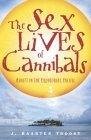
The Sex Lives of Cannibals : Adrift in the Equatorial Pacific by J. Maarten Troost

It is a flyspeck on the map, the merest hint of a place, a lonely tropical coral atoll in the middle of a cerulean Pacific. The place is the Republic of Kiribati, in the Gilbert Islands, an island that, while not quite at the back end of nowhere, certainly lives in that general neighborhood.

J. Maarten Troost's book The Sex Lives of Cannibals chronicles his two-year stay on the island of Tarawa. Accompanying his wife (who works for a non-governmental aid organization), Troost meanders into Tarawa with unrealistic expectations of a tropical south seas paradise. What he found was an over-populated, stiflingly hot, polluted (and occassionally toxic) island, infested with stray dogs, lackadasical and corrupt bureaucracy, and an overabundance of La Macarena playing at every turn.

Troost looks at life among the Kiribati (whom he seems to regard with a fairly odd mix of wonderment, fondness, respect and bemusement), moving from varied discussions on the general attitudes towards work, the desperate quest for some island foodstuffs not based on fish, encounters with sharks (and some flotsum that is too disagreeable to outline here), the Kiribati fondness for stray dogs (think back to what I said about foodstuffs...'nuff said), and the daily trials of infrequent and intermittant electrical power, poor water supplies and government bureaucracy. Of particular note is when the beer ran out...on the entire island....for four weeks.

He also, on occasion, seems to have captured part of that particular magic that the south seas seems to possess...

Here's a brief excerpt From The Sex Lives of Cannibals:

"Landing on a rock-strewn strip cleared of coconut trees was exactly as I expected it would be. Terrifying. The passenger door jammed, and we scrambled out through the rear cargo door and soon we began to feel like Martian invaders. I-Matang I-Matang, said a chorus of tiny voices. But they quieted when I bared my teeth, and the youngest even scattered into the bush. Parents in Kiribati tell their children to behave or otherwise an I-Matang will devour them, which has led to the wonderful result that the younger segement of the population believes I-Matang to be cannibals.

I, of course, did nothing to dissuade them."


As an added bonus, the lurid title of the book seems to excite some interest, particularly when reading it on crowded subway trains...again, 'nuff said. All in all a throughly enjoyable, highly funny read.

For more on Tarawa and Kiribati, visit Lonely Planet. Also recommended is Janes Kiribati page and this Kiribati site.

Tarawa was the site of a particular nasty battle in World War II. Find out more at Eyewitness to History and Tarawa on the Web. Visit Tarawa's namesake here.

Want a look at Kiribati? Here is Kiribati and Christmas Island from space....

As always, tell your friends about BookLinker, click on our advertisers and please link to the site! Comments are alwys welcome. Thanks for reading.

Friday, April 08, 2005


Collapse: How Societies Choose to Fail or Succeed - Jared Diamond

"I met a traveler from an antique land
Who said: "Two vast and trunkless legs of stone
Stand in the desert. Near them, on the sand,
Half sunk, a shattered visage lies, whose frown,
And wrinkled lip and sneer of cold command,
Tell that its sculpter well those passions read,
Which yet survive, stampt on these lifeless things,
The hand that mockt them and the heart that fed:
And on the pedestal these words appear:
"My name is Ozymandias, king of kings:
Look on my works, ye Mighty, and despair!"
Nothing beside remains. Round the decay
Of that colossal wreck, boundless and bare
The lone and level sands stretch far away."
- Percy Bysshe Shelley (1817)

About ten years ago, sweating profusely in the Yucatan humidity and liberally gulping down bottled water, I hauled myself up a vine-strewn pyramid in the Mayan city of Coba, and stared out at the view. Coba was a comparatively new site (only located in the early 70's) and remains somewhat isolated and still, with a few exceptions, pristinely covered in jungle. From our vantage point you could see the remains of another four massive structures that poked out of the green foliage canopy. We watched red kites circling languidly in the humid air and snapped our photos before scrambling back down to mull over the ruins that lay before us. Nothing focuses your attention like a disaster. Ruin is a source of wonder.

Collapse looks at ruin.

Jared Diamond has followed up on his superlative Pulitzer Prize-winning work Guns, Germs and Steel with Collapse: How Societies Choose to Fail or Succeed.

He is very specific in his choice of titles - Collapse is about the choices that societies make, sometimes consciously, sometimes unconsciously, that in the end determine failure or success.

In Guns, Germs and Steel, Diamond examined what made certain civilizations succeed, what were the catalysts of their success and growth. In Collapse, he flips the coin and looks closely at what makes them fail, drawing on a number of comparative examples to illustrate his key points.

Diamond looks variously at such locales as modern-day Montana ranch country, the remote Easter Island, Pitcairn & Henderson islands, the American south-west's Anasazi culture and Chaco Canyon, the Mayan Empire of Central American (my old friends from Coba), and the Norse Vikings of Greenland, Vinland and Iceland. Diamond also takes a look at modern day disasters and societal collapses such as the Malthusian events of Rwanda (which he tellingly ties to population overpressure, demographics and the cultural inheritance traditions), the horrific conditions of Haiti (and the telling opposite across the border, the Dominican Republic). He also looks at conditions in Australia, China and his own native southern California.

Diamond postulates five primary sets of factors consisting of: 1)damage people inadvertently inflict on their environment, 2) climate change, 3) hostile neighbor's, 4) decreased support from friendly neighbors, 5) the society's response to the problems. Diamond is careful not to cite a single reason for any collapse, but rather does a solid job of drawing together the varying elements and their collective impact on the society.

Collapse is long and, bluntly, at times a bleak and repetitive read, however Diamond exhibits a solid grasp of his subject, drawing out the particular threads and weaving them together into a coherent and compelling, if depressing, whole. The key role of how societies interact with the environment in their various states of social disintegration is chillingly convincing, particularly the well-documented collapse of Easter Island and the connections that Diamond draws between the factors such as deforestation, environmental stress, and ecological breakdown.

The implications for the near future for modern society is clear and stark - it is choice. Interestingly enough, Diamond refuses to rest as a Cassandra-like prophet of doom and gloom, and spends the remainder of the book carefully examining the tremendous success stories that are also in evidence.

After all the last thing that flew out of Pandora's Box was hope.

Interested in learning more about Easter Island? Check out Rapa Nui, the Navel of the World here, here and here.

Investigate the lost Vikings of Greenland here or read Archaology's online article.

Live in the American South-west? Learn more about the Anasazi and the Chaco Canyon civilization (including their sophisticated astronomical observatories).

Check out the Maya at this site, or learn about Mayan culture at Rabbit in the Moon.

Found this review useful? Please support BookLinker by clicking on our ads or ordering your publications through the site.

Comments, links and feedback are always welcome. Working on the six degrees of separation theory, someone who knows someone who knows someone please impose on Instapundit for a link, I'd love to see the traffic levels rise!

Thanks for reading!

Tuesday, April 05, 2005

Click Me!

Dr. Ian Malcolm: God creates dinosaurs. God destroys dinosaurs. God creates man. Man destroys God. Man creates dinosaurs...
Dr. Ellie Sattler: Dinosaurs eat man. Woman inherits the earth...
- Jurassic Park

Sorry, I just couldn't resist.

Monday, March 28, 2005


The Battle of Salamis: The Naval Encounter That Saved Greece -- and Western Civilization - Barry Strauss

"Stifling in the August heat, even at night, Artermisium is a hub of activity. Seen by the light of bonfires, fifty thousand men are at work: here racing to patch damaged equipment, there hauling the bodies of the dead onto pyres, at one point filling water jugs and wineskins at the sprint, at another point leaving messages as disinformation for the enemy, who is close behind them. Some men are buckling on bronze helmets, others are tightening the leather straps of the arrow cases they carry on their backs, while most are holding nothing more than a seat pad made of sheepskin. As the men work, the area's familiar scents of brine, thyme, and pine needles mix with the odor of sweat and the stink of corpses.

The cove is lined, at the shore's edge, with about 250 triremes, moored stern first. From each ship, a pair of ladders comes down and a horde of blistered hands grabs onto the rungs, as rowers pull themselves up toward their seats. The rowers grunts mix with the crackle of firewood, while the cries of the rowing masters drown out other sounds.

The Greek navy is pulling out."
- Excerpt, The Battle of Salamis, Barry Strauss

Building a strong and compelling picture of an event in the distant past, of the forces that drove its occurence and of the people that lived through it is not an easy task. Historians as a breed seem often narrow, didactic and detail-obsessed, taking the most fascinating moments and devolving them down to dry and dusty factual points, sending another generation of students drifting into the land of Nod in the back rows of the lecture hall.

The Battle of Salamis is not that type of history book. Barry Strauss has penned a superlative and riveting account of the epic naval battle of Salamis in 480 BC between the Greeks, led by the fledgling democracy of Athens and the canny, manipulative and vain Themistocles, and the overwhelming Persian forces of Xerxes.

Strauss vividly portrays the key individuals, events and circumstances, drawing on chronicles of both participants such as Aeschylus, and the later accounts of "the first historian" Herodotus, among others. The result is an amazingly readable account of the battle, the ships (triremes), the tactics (drawing the enemy into enclosed waters where speed and manuverability mattered more than size...and ramming, lots of ramming), and the long-term impact of the battle through the history of the western world (Greek victory at Salamis = success for democracy).

Strauss's efforts to portray the turning of the battle as one of democracy versus authoritarianism feels slightly overstated given the limitations on democracy at the time in both Athens (and the lack thereof in the other Greek city states) but the long-term historical impact certainly reverberates to this day.

Strauss has mastered the ability to give the reader a feel for the action, normally the strict purview of fiction writers, illustrating the event beyond just bare facts. In his words you can taste the woodsmoke and sweat, feel the thick knot of fear in the rowers stomachs and hear the creak of the oars and the thunderous crescendo of splintering wood before the rams...

Overall Strauss has written a crackling good history that is well worth your time.

Interesting in reading more? On the fiction side, I highly recommend Stephen Pressfield's amazing Gates of Fire, an epic account of the 300 Spartans who faced Xerxes before Thermopylae, The Hot Gates and also (by the same author) the book Tides of War covering the Athenian soldier Alcibiades. Tides of War in particular has a brutal, rip-snorting trireme battle at Syracuse that, in my opinion, ranks with the best of Hornblower as a naval battle scene.

Read Herodotus's account of the Battle of Salamis here, or visit modern Salamis here for a look at the island today.

Interested in learning more about Herodotus, the world's first modern historian (also called "The Father of Lies")? Check out Herodotus on the Web for a comprehensive link list or go to Herodotus's Histories. You can read Herodotus complete works online here.

For some details on triremes visit The Classics Pages, this site , or this one. Want to build one? Check out the Trireme Trust.

Thanks for reading BookLinker!

Saturday, March 19, 2005


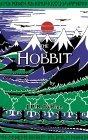
The Hobbit - J.R.R. Tolkien

"Confusticate those dwarves!." - Bilbo Baggins

I first read The Hobbit at the grand old age of eleven and, at the time, thought it was one of the very best books I had ever encountered. Interestingly enough, more than 25 years later, it still remains a marvelous piece of work in my eyes. As a matter of fact, I just finished re-reading it with my six-year old son and the re-read brought with it the added joy of watching something you grew up with light up your child's eyes.

Chronicling the intrepid journey of Bilbo Baggins, a hobbit of the Shire (with just a little bit too much Took in him for his own good) who is shanghaied from his own tea party by a group of thirteen treasure-seeking dwarves and one irascible wizard, The Hobbit is a delightful read. Bilbo is recruited by the wizard Gandalf to become the official "burglar" for Thorin Oakenshield and his twelve dwarven companions, as they journey across the Edge of the Wild to the far distant Lonely Mountain to face the implacable malevolence of the dragon Smaug.

From troll-hollows to the dreary spider-infested forest of Mirkwood, Tolkien has woven a wonderful adventure, leavened with character, humor, spark and a thread of a greater darkness tracing through the story, evident in the hissing fury of the riddling Gollum and in the deep and abiding malice that lurks behind the conversational tone of Smaug.

It is particularly different to revisit The Hobbit after having read Tolkiens' larger, more mythic trilogy, The Lord of the Rings, which expanded the world of Middle-Earth exponentially and, to a certain extent, removed it from Bilbo's more comforting adventure and warmer tale.

All in all The Hobbit is about as close to a perfect bedtime read for the kids as you are likely to find on any shelf.

While The Lord of the Rings has been brought to vivid life in the theatres, The Hobbit is apparently tied up in legal wrangling over the movie rights. Here's hoping that Peter Jackson gets the chance to bring The Hobbit to the silver screen in the near future. In the meantime, I recommend the 1978 animated feature which was a solid (if short) adaptation featuring Otto Preminger and John Huston among others.

Visit the Tolkien Society, or to learn something more about the creator of Middle-earth, read J.R.R. Tolkien: Artist and Illustrator.

Here's a real-world hobbit that has scientest puzzled and intrigued...

And here's a dragon to boot..

There are absolutely tons of websites dedicated to the Lord of the Rings films but for the best info, check out theonering.net. Tour Middle-Earth at this site...

You can also find a movie trailer for The Hobbit at iFilm patched together from various sources. No, as far as I know it isn't real ...yet.

Thanks for reading BookLinker. Please click on our ads or make your Amazon purchases through BookLinker to help support the site. Comments, links and feedback are always welcome!

Wednesday, February 23, 2005


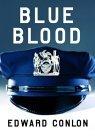
Blue Blood - Edward Conlon

According to the NYPD website, the New York Police Department currently employs 39,110 cops, a force larger then the standing armies of some countries. At least one of them is a solid writer.

Edward Conlon's Blue Blood takes readers deep into a gritty, street-wise portrait of life in the NYPD, its politics, language, foibles, quirks and characters as well as the relentless nature of the urban police beat.

Blue Blood is part memoir, part history and part journey through the looking glass, tracing Conlon's history and roots in the NYPD, his experiences as a rookie cop in decaying Bronx housing projects, to narcotics stakeouts and the daily paperwork of a detective, the events of 9-11, as well as the day-to-day and life and death issues that cops face on the street. Conlon as a writer is canny and often blunt, offering a welcome perspective on such issues as police corruption and abuse, but also thoughtful and keenly observant, casting an often wry eye on NYPD practices, politics and the criminals they pursue.

Well-written, authentic and nuanced, Blue Blood is a unique, if lengthy, look at life behind the badge.

For more on one of the world's most famous police departnments, drop by the NYPD website. You can also visit the NYPD Police Museum and the NYPD Shop online - for those of you that desperately want a set of NYPD shooter glasses or your own police station. Unfortunately no handcuffs available.

Trace the history of New York's Finest here, or check out The Insider for a look at what is happening in the Big Apple. Check out the view from Times Square, or, if you prefer your New York from a couch - just watch these guys.

Thanks for reading BookLinker. Please show your support for the site by clicking on our Google text ads or by buying your Amazon purchases through our links!

Thanks!

Friday, February 18, 2005


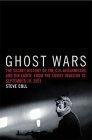
Ghost Wars: The Secret History of the CIA, Afghanistan, and Bin Laden, from the Soviet Invasion to September 10, 2001 - Steve Coll

"When everyone is dead the Great Game is finished. Not before."
- Kim, Rudyard Kipling


The Great Game is alive and well and living in the cold, stony peaks of the Hindu Kush.

Ghost Wars is Steve Coll's superlative account of the tangled morass of the last twenty-five years of byzantine manuvering, chaos and war on the Afghan frontier. The war against the Russians was conducted mainly through proxies - the Muhjaddeen and the warlords, the Pakistani government, and the quioxtic brillance of Massoud. Coll outlines the early rise of US policy towards the region, tracing carefully the gradual emergence and steady growth of US involvement as the Muhjaddeen war against the Russians gradually became a key element for US policy.

Coll judiciously examines the post-war American neglect of the region (literally dropping off of the policy radar screen overnight) and the sudden and abrupt roll-up of the CIA's covert support operations (exacerbating the political vacuum), its impact on both the rise of the Taliban and the development of Al Quada and Osama Bin Laden.

Reading Ghost Wars amply demonstrates that none of the subsequent events of 9-11 was surprising in retrospect and that, bluntly, no one involved is a new or unknown player. Bin Laden in particular was amply demonstrating his direction, policy and goals but was initially overlooked and ignored, and later indifferently dealt with, despite mounting evidence of danger. Neither the Clinton nor the Bush (Jr. & Sr.) administrations escapes censure for their failure to recognize the approaching storm and the glimpse Coll offers into the inner workings of covert policy in the region both fascinates and frustrates.

Coll's book is a must-read for anyone genuinely interested in understanding the complex interplay of history, politics, culture and religion in Afghanistan and is, on top of being exhaustive and comprehensive, an excellent, gripping, high-quality and well-written read. Highly Recommended!

Also of note, and previously reviewed on BookLinker is George Crile's Charlie Wlison's War.

You can find an free online copy of Rudyard Kipling's classic Kim at the Gutenberg Project. I also heartily recommend Kipling's The Man Who Would be King and the excellent film version with Sean Connery and Michael Caine.

Interested in the real Man Who Would be King? He did exist - check out Ben McIntyre's biography of Josiah Harlen, ex-doctor, soldier-of-fortune, Prince of Ghur and pretender to the Afghan Throne (he also runs afoul of Flashman here...)

Check out another solid Frontline report on Afghanistan here. Also good is Hunting Bin Laden, a report that was put together prior to the attacks of 2001.

Thanks for reading BookLinker! Please show your support for the site by clicking through on our Google ad links, and initiating your Amazon purchases here. Comments and feedback are very welcome and links from other bloggers are always good to see!

Monday, January 31, 2005


Wolves Eat Dogs - Martin Cruz Smith

Cynical, melancholy Moscow special investigator Arkardy Renko has a serious problem. One of Moscow's newly minted billionaires has taken a fatal plunge off of a twenty-story condominium - suicide or murder? As Renko dryly observes "We prefer suicides. Suicides don't demand work, or drive up the crime rate."

In his fifth book featuring his laconic, down-trodden detective, Martin Cruz Smith is at the top of his game. Wolves Eat Dogs takes Renko, filling his role as Moscow's most dogged and quixotic gumshoe, from the heady environs of the new Russian elite down a twisted, wayward path into a deadly quietly radioactive heart of darkness, the 30-mile Exclusion Zone surrounding Chernobyl.

Tautly written, intriguing and quite frankly offering a more humane glimpse of the Russian pysche then western fiction typically offers, Wolves Eat Dogs is a terrific and unique mystery, with Renko, as ever, leading the reader deeper and deeper into uncharted territory - in this case, the Chernobyl Exclusion Zone, with its eerie abandoned towns, burgeoning wildlife, icon-thieves, corrupt car parts dealers and obsessive scientests. Smith weaves an involving and immersive mystery with first-rate characters and plotting, in a very unique setting. I highly recommend it!

I would also recommend a look at Renko's earlier adventures - Gorky Park, Polar Star, Red Square, and Havana Bay.

Find out more about the Chernobyl nuclear disaster at Chernobyl Info, Chernobyl: A Nuclear Disaster and the Chernobyl Children's Project International. For a more detailed look at the overall health impact of the disaster ten years after, visit the Nuclear Energy Agency's Chernobyl Assessment page.

Why not take a visit to the Exclusion Zone? Follow along with Elena's motorcycle run through the Zone at Kiddofspeed - Ghost Town. Here are some more photos to check out.

Interestingly enough, due to a dearth of human presence, the Exclusion Zone is rapidly becoming a natural haven for Ukrainian wildlife.

Thinking of playing tourist? Better read this first.

Thanks for visiting BookLinker! Comments and links are always welcome! Please click on our Google Ads to show your support for this site!


Wednesday, January 26, 2005


Shadow Divers: The True Adventure of Two Americans Who Risked Everything to Solve One of the Last Mysteries of World War II - Robert Kurson

There is something deeply fascinating yet profoundly unsettling about this book.

It is, among other things, a story of high adventure, obsession and the cold face of imminent death. Shadow Divers is the true story of a group of deep-sea wreck divers who challenge themselves on the thin edge of the survivable, diving more than 200 feet into the cold Atlantic, venturing into twisted wrecks like the Andrea Doria and others, hunting souvenirs, bragging rights and a shivering adrenaline high.

Shadow Divers focuses on John Chatterton and Rich Kohler, who, investigating a mysterious wreck off the New Jersey coast, discover lurking 230 feet below the surface, a ghost from World War II, a sunken German U-Boat lying where none should be. Driven by the challenge of uncovering and identifying the boat, Chatterton and Kohler undertake a seven-year odyssey, diving repeatedly into the chill depths of the sea and into the musty records of World War II to discover the secrets of the wreck.

Deep-sea wreck diving is among the world's most deadly endeavors and the dives on the shadowy U-Boat are no exception. Kurson's vivid prose pulls the reader into the situation and at points is so profoundly tense it is almost impossible to put down. It is, as the expression goes, like watching a train wreck about to happen...terrified fascination and sick amazement are at war in your stomach when you read this book.

Kurson's narrative weaves the lore, dangers, technology and practices of deep-sea wreck diving, with the characters and practioners of the sport, pulling you into the excitement and the discovery...so when disaster strikes, although not unexpected, it is deeply unsettling, horrifying and vivid.

Similar to Jon Krakauer's book Into Thin Air which recounted the terrifying 1996 disaster on Mount Everest that cost five lives, Shadow Divers left me with a certain empty, morbid and questioning sense of "why?" and a mixed bag of both admiration and head-shaking irritation at the often pointless thrill-seeking.

Overall a definite first-rate book and one of the very best of the year.

Interested in learning more about U-boats? U-Boat.net is the place to go. Also check out the terrific Nova documentary and supporting website "Hitlers Lost Sub", for a look at the Shadow Divers' submarine, a virtual tour, maps of other sunken U-boat wrecks and an interactive feature on the chilling dangers of wreck diving.

Here's the website for the Wreck of the Andrea Doria, described by Kurson as "Mount Everest" for wreck divers. If you are wise, you will just stick to reading about the wreck...

Here's the Atocha, for the red-blooded, gold-hunting treasure-enthusiast in your family...

And some last thoughts...

They might have split up or they might have capsized
They may have broke deep and took water
And all that remains is the faces and the names
Of the wives and the sons and the daughters.


Thanks for visting BookLinker. Comments, links, email and feedback are welcome! You might also note that I've added Google Adwords on the side - please show your support for BookLinker and, if you can't buy a book through us, at least click on a couple of links...

Thursday, January 06, 2005


Ray Harryhausen: An Animated Life - Ray Harryhausen, Tony Dalton

In the prehistoric days before the advent of a thousand digital channels, DVD's and VCRs, my local television channel would run a Sunday Afternoon Matinee. My brothers and I would sit, enthralled, watching Godzilla stomp Tokyo into smoky rubble, or some slithery beast ooze out of a bog and chase down some hapless passerby, or watch, as some wooden-voiced actor bounded about the screen improbably fighting a dozen skeletal swordsman or a towering bronze statue.

More often then not, we were watching the uniquely detailed work of Ray Harryhausen.

Ray Harryhausen: An Animated Life is a glorious, fascinating and fun meander through the life, films and career of one of Hollywood's pioneering special effects masters. Harryhausen's magical beasts and evocative stop-action special effects were a source of inspiration for dozens of today's directors and directly led to the current state-of-the art work of such luminaries as George Lucas and Steven Spielberg (although Harryhausen himself notes that despite the exquisite detail of today's computer-generated special efffects, he still prefers models and stop-animation for their "soul").

Harryhausen's highly illustrated book traces his roots in the special effects industry, his mentors Willis O'Brien and George Pal, and the various film influences (King Kong naturally enough)that shaped and impacted his work on such films as Mighty Joe Young, The Beast from 20,000 Fathoms, Valley of the Gwangi, Jason and the Argonauts, The 7th Voyage of Sinbad, Clash of the Titans, and, my personal favorite, Sinbad and the Eye of the Tiger.

An Animated Life is fundamentally a book for a film buff, so temper any expectations of a detailed or seamy insider look at Hollywood in the 50's and 60's. You will however love having the curtain pulled aside on how Harryhausen and his cohorts pulled off much of their cinematic sleight-of-hand. For someone infected with the romance of the pulp films of the era, An Animated Life is a fabulous book but...

If however you really don't care for silver screen derring-do, the deep background on the Rhedosaurus, foul monsterous creatures from the depths or magical mythological beasts.. well, ...what the heck is wrong with you? Get a life.

For a complete round-up of Harryhausen's work, check out the ever dependable Internet Movie DataBase or read the profile at Sci-Fi Masters.

Check out this tribute to Harryhausen (with special guest appearance by He-Man's Skeletor), its just plain...surreal.

Check out this online explanation of Dynamation that gives you a good overview of how Harryhausen brought his intricate creatures to life or visit the Stop-Motion Animation site for some lessons on how you can develop your own stop-motion film.

Now I have to go, my six-year old son and I have to snuggle up, eat popcorn and watch The 7th Voyage of Sinbad... love that cyclops.

Thank you for reading BookLinker! Comments and feedback are always welcome (as are links)!

Wednesday, December 01, 2004


Rats : Observations on the History and Habitat of the City's Most Unwanted Inhabitants - Robert Sullivan

"And the muttering grew to a grumbling;
And the grumbling grew to a mighty rumbling;
And out of the houses the rats came tumbling."

- Robert Browning

I used to take a short-cut through a back alley near my home, cutting two minutes off of my morning commute to the local subway station. Generally the laneway was empty of foot traffic except for the handful of parked cars and the garbage dumpsters festoned with cryptic graffiti and spray-painted tags. The alley was damp, deserted and the air layered with that dank, moist smell, just short of rotten but still driving in that general direction.

That particular yellow-lit morning, I was startled to see a furtive, pale brown creature about half the size of a housecat saunter out carefully from behind the local pizza parlor, dragging what look like about half of a medium-sized pizza behind it. It looked up, saw me, paused as if to say "What?" incredulously, then resumed its labor, dragging its hard-won prize along the edge of the curb. Obviously take-out. I spotted the long, thin, hairless tail trailing it and realized, with a profound bemusement, that it was a rat.

I don't know why I was so startled. Rats are as much a resident of the urban byways as people, albeit generally just a little more circumspect.

Rats by Robert Sullivan delves into the hidden world of rattus norvegicus, the infamous city-dwelling Norwegian Rat or Brown Rat (although they are often as not grey, off-pink, tan, whitish, or other color variations). Sullivan, whose previous off-the-beaten-path works include The Meadowlands, a study of the fetid swamplands outside of New York, (famous as a garbage dump and the sort of place the Sopranos might plant their former business partners) is really the perfect guide to a study of the urban rat, bringing the right mix of humor, readability and infectious curiosity to the subject.

Rats provides insight not only into the world of the rat, but how rats have grown with humanity, the lives they build in the thin margins of civilization and, how they frankly flourish mightily at times in their relationship with people. Rats offers a penetrating slice through the usual urban byways, weaving history, urban planning, archaeology, and natural history together into a fascinating and highly readable mix.

The book offers a number of eye-opening (i.e. disquieting) facts that lend a certain adventurous and squirmy feel to your next walk downtown. For example, a single pair of rats has the potential for 15,000 descendents in a single year. Think about that, the next time the kids run screaming through the house, knocking over furniture...

Weird as it sounds, one of the best books of the year is all about rats...

Learn more about these pesky rodents here and here. For the Hollywood take on rats, well, the all-time must-see rat movie is the original Willard, it's sequel Ben...or the recent Willard re-make.

Got rats? These guys might be able to help...or if you prefer, you can always call The Pied Piper.

Saturday, October 30, 2004


Candyfreak: A Journey Through the Chocolate Underbelly of America - Steve Almond

Homer: "Got any of that beer that has candy floating in it? You know, Skittlebrau?"
Apu: "Such a beer does not exist, sir. I think you must have dreamed it."
Homer: "Oh. Well, then just give me a six-pack and a couple of bags of Skittles."

Candy seems like an apt topic around Halloween and Steve Almond's Candyfreak: A Journey Through the Chocolate Underbelly of America is a saliva-inducing, hedonistic choclate voyage.

The aptly named Almond is, to be blunt, unhealthily obsessed with candy and Candyfreak is his own personal analysis of his bonbon fixation, from early childhood onwards, culminating in his cross-country trip to visit the last of America's independent manufacturers and purveyors of cavity-inducing deliciousness.

Candyfreak is, at best, an uneven journey, albeit a well-written one, that slowly draws you into the author's fascination and passion for candy and choclate. At first, reading Almond's endless descriptions of a particular brand of sweets, you start to wonder what on earth he's carrying on about, but after reading a few, you actually start to slip into the same sugar-rushed fetish frenzy. After reading this book, every chocolate bar you munch on your way to work becomes a pause for thought and a brief attempt to try to capture some of the sheer joy he seems to find in this food.

Alas in the end Candyfreak is a good but fairly thin product, partially due to the relative dearth of independent candy manufacturers today and partially because the book seems to coast along in uneven spurts, without a real direction or culmination of his odyssey. In long run, Candyfreak is, like its subject matter, highly consumable, with some flavorful morsels that roll elegantly off the tongue, but once it is gone...well, the moment ends.

Interested in candy? There is a veritable smorgusboard of candy-related sits ont he Internet, enough to make every dentist able to retire to Key West...

For some of Almond's favorite objects of obsession, check out the Twin Bing, the Goo Goo Clusters, and the Idaho Spud.

Grab more candy here, here and here. Still hungry? Visit the CandyFreak site for a complete list of deliciousness...

My personal favorite candy - boring old chocolate M&M's - refrigerated, so that you can crack off the candy-coating in your teeth....

Tuesday, July 20, 2004

It was a dark and stormy night....

I couldn't resist blogging this, despite being laid up with two severed tendons in my right hand for the next six weeks...

The results are in for the 2004 Bulwer-Lytton Contest (see the site for details if you don't have a clue what it is....I can't explain right now, typing with just my left is far too much work.)

Grand Prize Winner:
  
She resolved to end the love affair with Ramon tonight . . . summarily, like Martha Stewart ripping the sand vein out of a shrimp's tail . . . though the term "love affair" now struck her as a ridiculous euphemism . . . not unlike "sand vein," which is after all an intestine, not a vein . . . and that tarry substance inside certainly isn't sand . . . and that brought her back to Ramon.
Dave Zobel, Manhattan Beach, CA

 
Runner-Up:

The notion that they would no longer be a couple dashed Helen's hopes and scrambled her thoughts not unlike the time her sleeve caught the edge of the open egg carton and the contents hit the floor like fragile things hitting cold tiles, more pitiable because they were the expensive organic brown eggs from free-range chickens, and one of them clearly had double yolks entwined in one sac just the way Helen and Richard used to be. - Pamela Patchet Hamilton, Beaconsfield, Quebec

And my personal favorites....

The legend about Padre Castillo's gold being buried deep in the Blackwolf Hills had lain untold for centuries and will continue to do so for this story is not about hidden treasure, nor is it set in any mountainous terrain whatsoever. - Siew-Fong YiapKowloon, Hong Kong
 
It was a dark and stormy night--actually not all that dark, but more dusky or maybe cloudy, and to say "stormy" may be overstating things a bit, although the sidewalks were still wettish and smelled of ozone, and, truth be told, characterizing the time as night is a stretch as it was more in the late, late afternoon because I think Oprah was still on. - Gregory Snider, MDLexington, KY

Check out the site for more...

Now goodbye for six weeks...

Friday, July 09, 2004

Hiatus

Well, it's official. I managed to sever the flexor tendons on my right hand in the baby finger and the ring finger. The surgery happened the day before yesterday and now I am officially left-handed for the next six weeks or possibly longer.

The Dad Chronicles and Booklinker will be in hiatus until recovery. So get the hell off your computer and go enjoy the summer.

See you in six weeks!

Tuesday, June 15, 2004


Island of the Blessed: The Secrets of Egypt's Everlasting Oasis - Harry Thurston

"Ex Africa semper aliquid novi - There is always something new out of Africa." - Pliny the Elder

Egypt has ever been about the Nile. It's seasonal floods have carried rich silt along a narrow strip of arable land ribboning 4,000 miles through the desert, it's rhythm sustaining the life, culture and development of one of the world's most monumental civilizations.

But life did not begin with the Nile.

Deep in the Egyptian Sahara, 400 miles from the familiar epic sites of Cairo, Giza and the Pyramids lies the Dakhleh Oasis, a green island in a sea of sand, rock and parched wilderness - a place that has been revealed as an archaeological treasure trove, with an almost complete record of continuous human habitation dating back more than 400,000 years.

Island of the Blessed (entitled Secrets of the Sands in the U.S. - not nearly as evocative a title...) offers an intensely fascinating look at a unique archaeological site. The Dakhleh Oasis is not the proverbial pond with a smattering of palm trees, but rather a region that covers more than 600 square miles, providing life-giving water to a variety of plants, animals and people - stretching back more than 400,000 years in history. It is, quite literally, an island of life in the bleak wasteland of the Sahara.

Thurston draws on more than 30-years of archaeological studies and carefully takes the reader through the slowly uncovering history and significance of Dakhleh. Among the evidence uncovered by the archaeological teams working in Dakhleh is neolitihic stone tools and prehistoric encampments, new evidence of some of mankind's earliest agricultural activities, an exquisitely preserved Old Kingdom town, Roman aqueducts, countless mummies, a vast collection of papyrus records and the world's oldest bound books. One crucial theory now being examined is that Dakhleh was the crucible for Egyptian civilization, predating the Nile River habitations and provided a critical role in the ongoing development of Egyptian civilization and trade.

Thurston has created a solid, highly readable work that captures the unique setting and environment of Dakhleh, and offers up colorful and vivid glimpses of the sometimes obsessive characters of the archaeologists who are slowly bringing the past to light. In addition to the archaeological record, the long sequence of continuous human habitation within the isolated oasis environment permits archaeologists and climatologists to develop a one-of-a kind environment assessment, measuring the environmental impact and growth of human habitation within the isolation of the Dakhleh Oasis over an extended period of time. The research brings to light some of the detrimental impact that unchecked human growth and overly extensive agricultural practices can have on the water supply, a practice that may, in time, bring the Everlasting Oasis to an ignominious end.

For more on Dakhleh, check out The Dakhleh Oasis Project. For information on the world's oldest bound books, visit this site on ancient Kellis.

For more information on the Sahara Desert, visit PBS's Sahara website or read Michael Palin's account of his sojourn in the world's largest desert.

For some fabulous websites on Egyptian archaeology, check out Eternal Egypt , a huge and extensive multimedia site, and the Theban Mapping Project which offers an interactive atlas of the Valley of the Kings.

Want a birds-eye view? Check out this image from NASA's Earth Observatory website. If you look carefully in the western desert, you can spot Dakhleh.

Thanks for reading BookLinker! Please post a link to the site and tell all your friends to drop by (somebody tell Instapundit! I need an insta-lanche!).